Partner Focused Childbirth Education for Couples
Birth isn't a spectator sport.
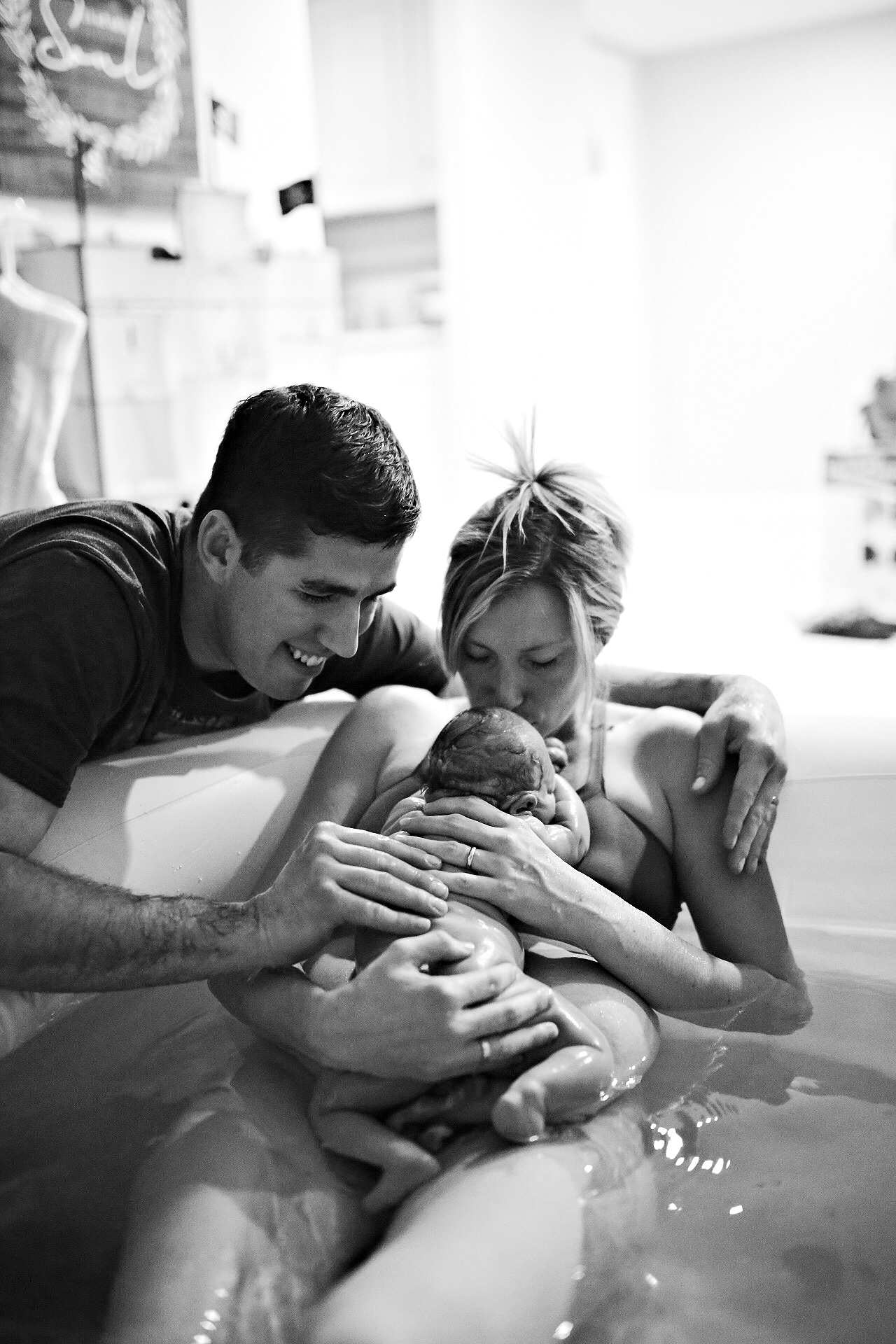
Most birth education leaves partners on the sidelines. The Partner's Playbook gives couples a shared language, shared confidence, and a shared role — so you walk into the birth room as a team.
One-time payment · Lifetime access · Both partners
Launch price — increases after the first 10 enrollments
· $97 Lifetime access ·
*Keep in mind that I understand that not every pregnancy reaches its expected end. If you have experienced a pregnancy loss — at any stage — and no longer need this course, you are welcome to request a full refund regardless of when you purchased. There is no time limit, no documentation required, and no need to explain more than you are comfortable sharing
Enroll Now - $97Founding Member Access
Order today for lifetime access before the Founding Member price increases.

A Shared Language
When your partner says "I think I'm in transition," you'll know exactly what that means — and what to do. No more standing at the bedside confused while the person you love is working harder than they ever have.
Real Skills, Not Just Reassurance
Counter-pressure, position changes, breathing cues, the BRAIN framework — you'll leave with specific, practiced techniques. Not generic encouragement. Actual tools you can use the moment labor gets hard.
What's inside — 5 self paced modules:
The Language of Labor
Hands-On Support Techniques
Navigating the Hospital
Building Your Birth Preferences
The Fourth Trimester
PLUS: Includes quizzes and printable reference sheets
Who Built This — And Why
I spent more of that birth inside my own head than I did with her.
When you are trained as a first responder — as a firefighter and paramedic — your brain learns to categorize situations quickly. Emergency or not an emergency. Stable or unstable. Something to manage, or something to monitor.
I was a firefighter and EMT when my wife Cassandra became pregnant with our first child. And without realizing it, I carried that framework into the entire pregnancy. Not in uniform. Not on duty. Just in my head — the only lens I had ever been given for being present when a baby was coming.
For most of that pregnancy, I was operating on fear dressed up as readiness. Birth, in my mind, was something that could go wrong. Something to brace for. Something where my job was to monitor for the moment it became an emergency so I could do something useful.
I wasn't preparing to be her support. I was preparing to manage a situation.
Then I actually got educated. Not a clinical handout or a hospital orientation — but real childbirth education. What labor actually looks like. What the stages mean. Why the body does what it does. What the people in that room can genuinely do to help.
The shift
For the first time, I had language for the process. I had a role. And the fear that had been masquerading as preparedness started to give way to something else — anticipation. Understanding. A sense that I belonged in that room not as a first responder on standby, but as someone truly present for the most important moment of our lives.
When Cassandra went into labor with our first child, I was ready. Not because nothing went wrong — but because I finally understood what right presence and preparedness looked like.
We now have four children together, born across home and hospital settings. And every birth confirmed what I learned before the first one: knowledge is the key. Not the absence of fear, but something better to replace it with. A support person who understands what is happening, knows their role, and has somewhere to put their love besides the corner of the room — that person changes the experience for everyone in it.
Why I built this
That gap — between someone who is present in the room and someone who is truly there — is what I built the Partner's Playbook to close.
Not another birth class that brings support people along as an afterthought. Not a clinical overview that reduces the most profound day of your life to a checklist. A real education built for anyone walking into that birth room — spouses, partners, parents, friends, whoever your person is — with the language, the context, and the role that turns fear of the unknown into anticipation of what comes next.
I know what it looks like when it works. I lived it. And I remember clearly what the fear felt like before I had anything better.
Every person in that birth room deserves to be more than a spectator. And every mother deserves to have her people truly, fully there.